Story · 2026-11-28 · About 1 min read
Sweets at the temple and shrine gates
A break after visiting: sweet shops born at shrine and temple gates still welcome visitors on the approaches.
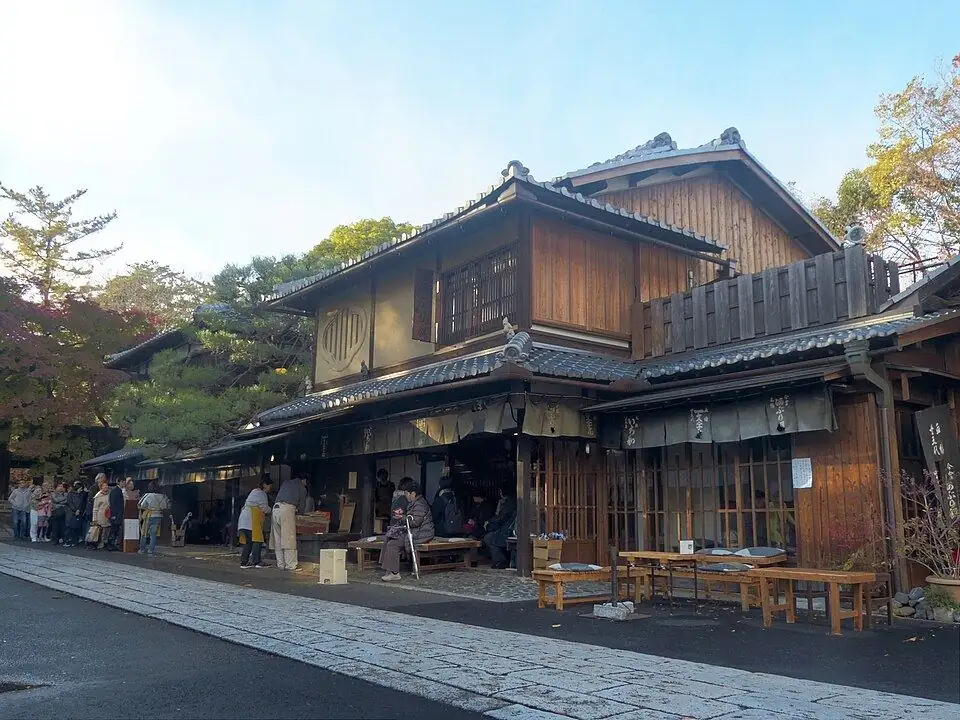
Ichimonjiya Wasuke (Ichiwa), on the east approach to Kyoto’s Imamiya Shrine, is said to date from 1000. It grills small rice cakes over charcoal and glazes them with white miso, and Kyoto City has certified its building among the city’s treasured buildings.
At Chomeiji Temple in Mukojima, the gatekeeper Yamamoto Shinroku began selling rice cakes wrapped in salted cherry leaves in 1717. Chomeiji Sakuramochi still makes nothing else.
Visitors to Kameido Tenjin have long enjoyed the kuzumochi of Funabashiya (1805), whose shop, lost in the air raids, was rebuilt in 1953. Beside the gate of Kanda Myojin, Amanoya (1846) brews amazake from koji grown in its underground cellar.
A pause after prayer: gate-side sweets have survived the centuries alongside the habit of visiting shrines and temples.
When these shops were founded
Where they are
Numbered from the oldest. Positions are approximate.
Shops in this story
- Est. c. 1000Ichimonjiya Wasuke (Ichiwa)Aburi-mochi (grilled rice cakes)See this shop →
 Est. 1717Chomeiji Sakuramochi YamamotoyaSakuramochi (bean-paste crepes wrapped in cherry leaves)See this shop →
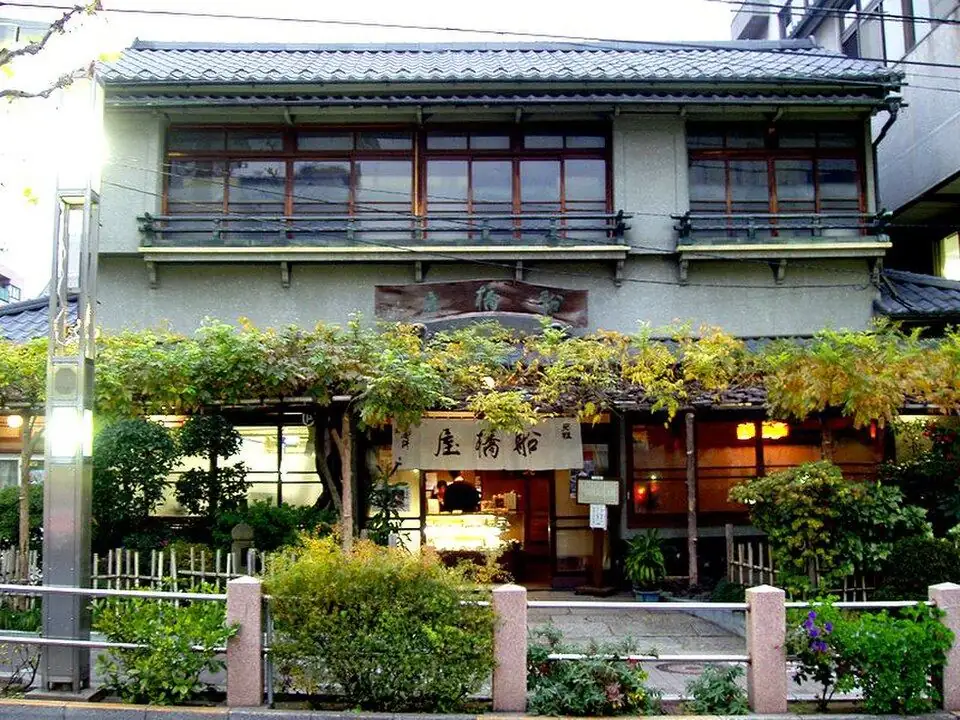 Est. 1805Funabashiya (main shop)Kuzumochi with black syrup and soybean flourSee this shop →
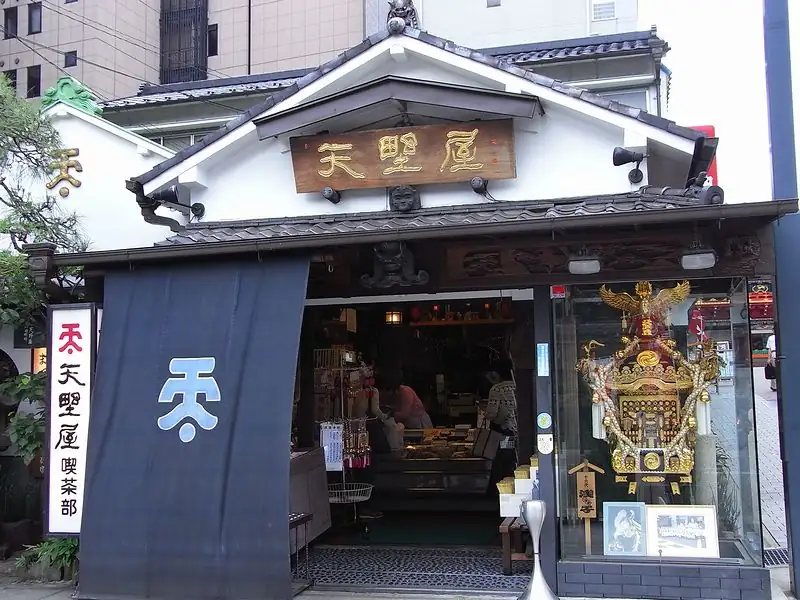 Est. 1846AmanoyaMyojin amazakeSee this shop →
Walks with these shops
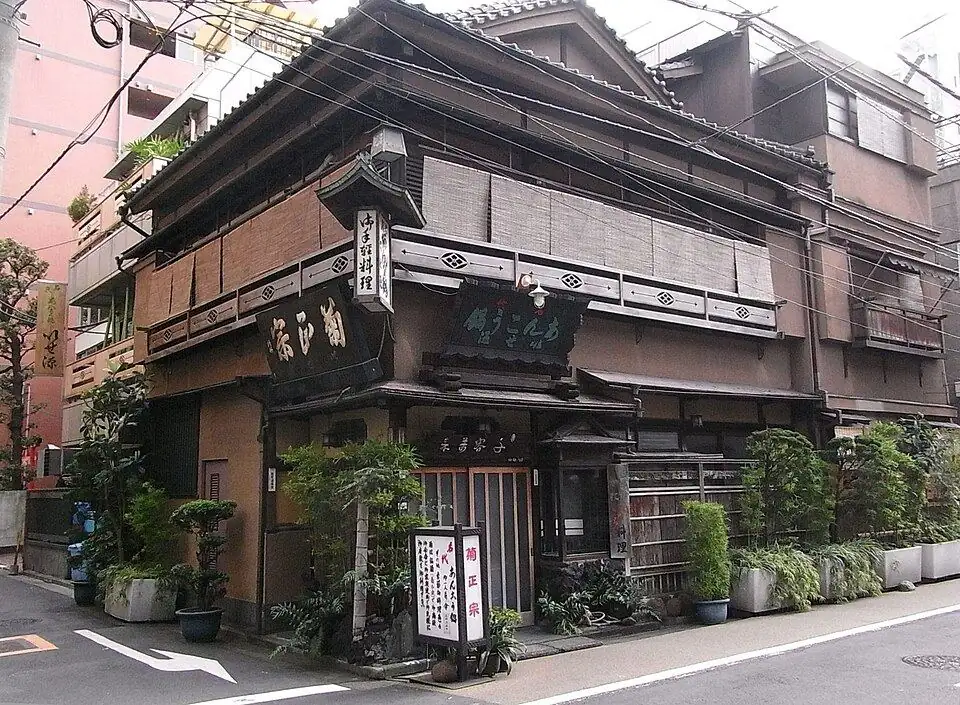 Old Kanda Renjakucho5 shopsA small corner spared by wartime fires, where soba, anglerfish pot and chicken sukiyaki houses stand side by side.See the route
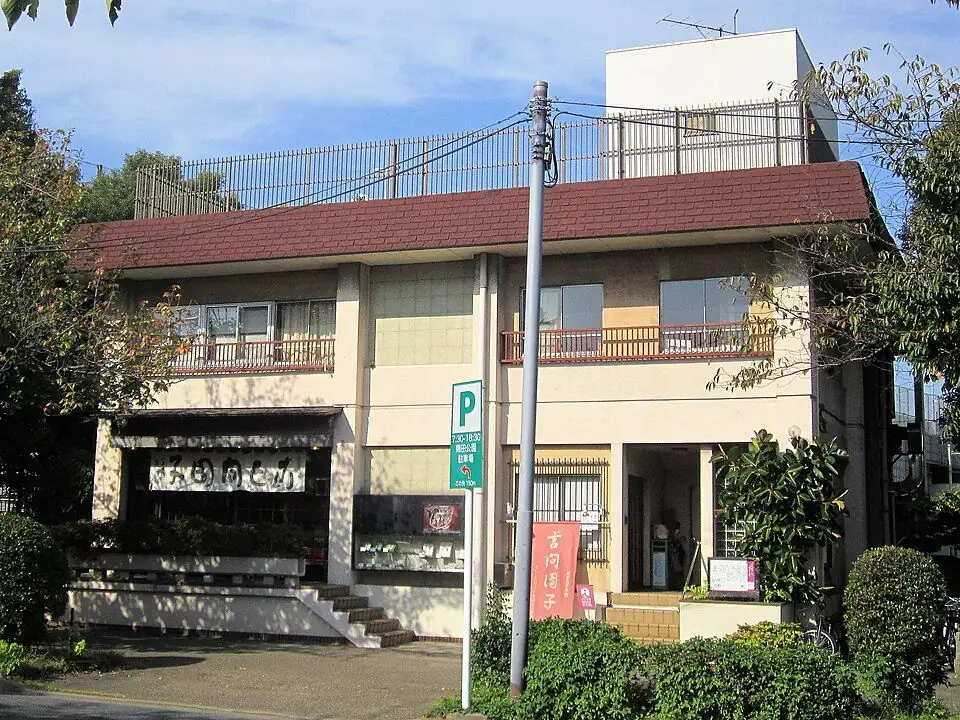 Mukojima & Kameido3 shopsFrom dumplings and sakuramochi on the Sumida embankment to rice crackers in Narihira, and rice crackers and kuzumochi by Kameido Tenjin.See the route
- Kyoto: north from Demachi4 shopsFrom Demachi’s mame-mochi and ajari-mochi to Nishijin sweets and Imamiya Shrine’s aburi-mochi.See the route
Read next
- A thousand years at the gate: aburi-mochi and a tea house in KyotoAn aburi-mochi teahouse on the approach to Imamiya Shrine is said to date from 1000, and a tea house at the foot of Uji Bridge from 1160. This story follows five shops at the gates of Murasakino and Uji in Kyoto, with sources.
- Amazake at Kanda Myojin and an underground koji cellarNear the great torii of Kanda Myojin, Edo’s guardian shrine, two shops make amazake from koji: one said to date from 1616, when the shrine moved to its present site, and one from 1846 that grows koji in a cellar 6 m underground. This story follows them, an eel restaurant below the shrine and a sake maker, with sources.
Sources
- 京都市「京都を彩る建物や庭園」選定・認定リスト(令和7年3月)
- 和樂web「江戸的に楽しむ4月の東京案内」
- さんたつ「長命寺桜もち山本や」(2023年3月9日)
- 船橋屋(公式)「歴史」
- さんたつ「船橋屋 亀戸天神前本店」
- 旅go(たびまが)「天野屋」