Ajari-mochi Honpo Mangetsu (main shop)
In Japanese: 阿闍梨餅本舗 満月 本店
Est. 1856
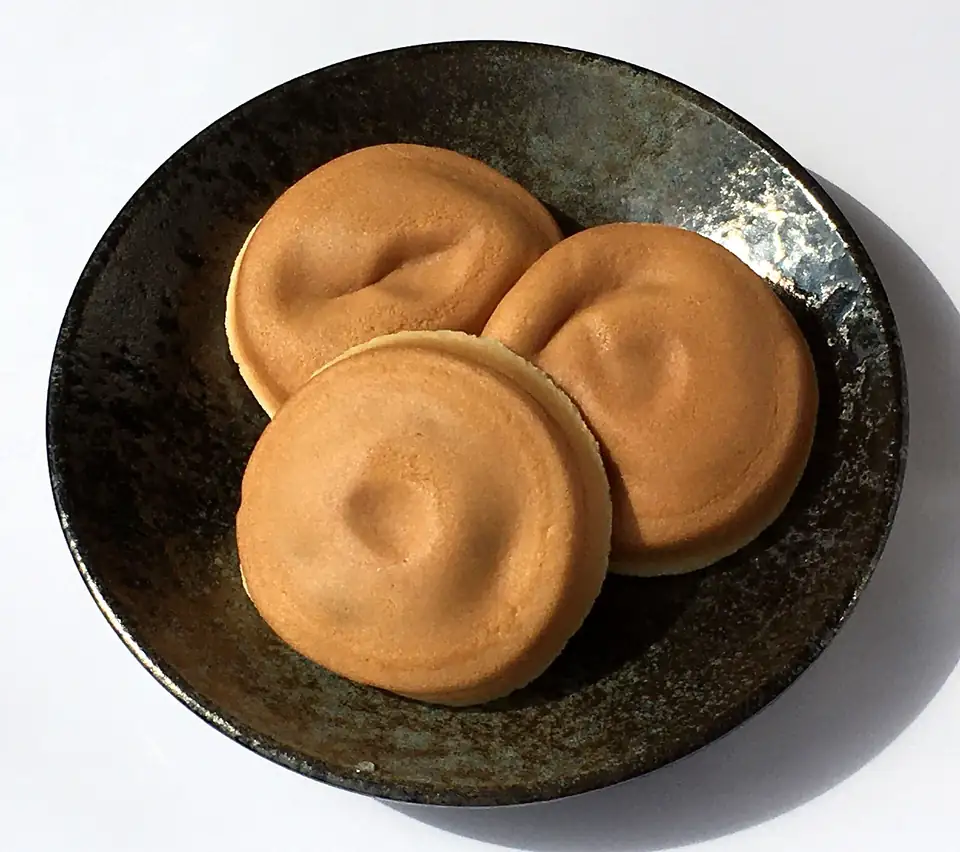
Mangetsu is a wagashi (traditional Japanese sweets) shop in the Hyakumanben area of Kyoto’s Sakyo-ku, open since 1856. Its ajari-mochi, launched by the second owner in 1922, is a soft dough shaped like the woven hat of a Mount Hiei monk, wrapped around chunky bean paste from Tanba. At the main shop you can buy them freshly made.
- What to try
- Ajari-mochiKyonagon and Mangetsu
- Address
- Sakyo-ku, Kyoto
- Getting there
- About an 8-minute walk east from Demachiyanagi Station (Keihan Line)
- At the shop
- Take out
- Founded
- 1856
- Era
- Edo period
- Food
- Wagashi
About Ajari-mochi Honpo Mangetsu (main shop)
The founder opened a sweets shop in 1856 at the east end of Demachi Bridge over the Kamo River. The shop closed during the unrest at the end of the Edo period and reopened at Demachiyanagi in 1868. After the war it moved to its present site. In the Meiji era (1868–1912) it is said to have supplied the Kujo ducal family.234
Ajari-mochi was created by the second owner and went on sale in 1922. Its name comes from ajari, a Sanskrit-derived word for a senior monk, and its shape copies the woven hat worn by monks training on Mount Hiei. A dough of rice flour, egg and sugar is wrapped around chunky Tanba dainagon bean paste and baked. The shop keeps to “one bean paste for one sweet,” and also makes monaka, the bar sweet Kyonagon and Mangetsu, made with white beans.2567
The main shop is a Kyoto townhouse-style building; through the noren (the cloth curtain hung at a shop’s entrance) is a sales room with a high open ceiling. You can buy ajari-mochi still warm. The sweet Mangetsu, named like the shop, was first made in the early Meiji era. It stopped after the war and was later revived, and is sold only on weekends and holidays at the main shop and the Kinkakuji shop.12
It stands in a quiet residential area, about an 8-minute walk east from Demachiyanagi Station, the end of the Keihan Line. There is parking in front of the shop. Ajari-mochi is also sold at Kyoto Station and in department stores.25
History
- 1856
The founder opens a sweets shop at the east end of Demachi Bridge.
- 1868
Reopens at Demachiyanagi after closing during the late Edo unrest.
- 1922
Launches ajari-mochi, created by the second owner.
At the shop
Photos2 photos
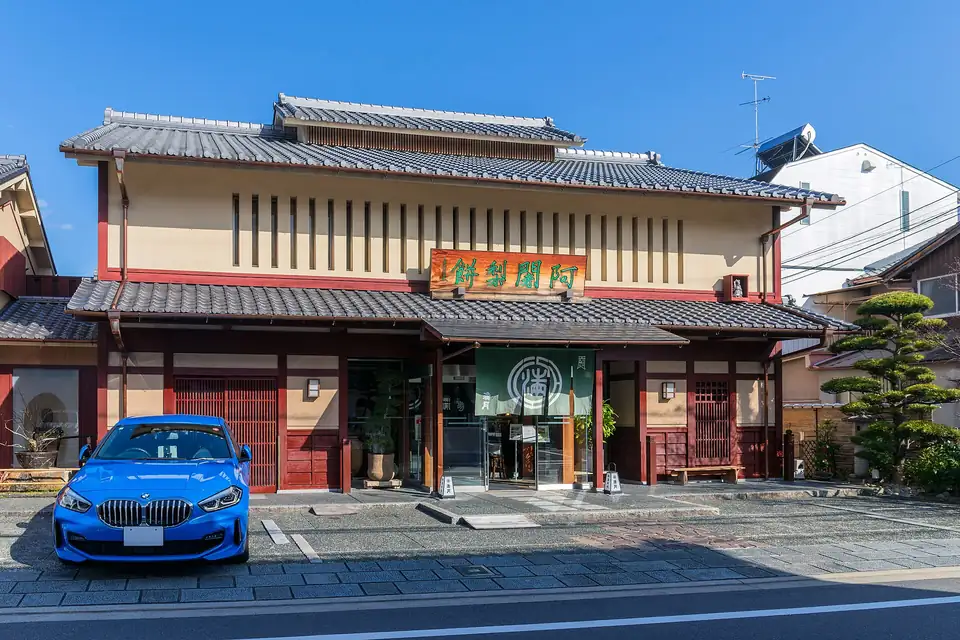
The main shopPhoto: Yasu · CC BY-SA 3.0 · Wikimedia Commons
Compiled by our editors from public sources. We warmly welcome corrections from the shop.
Walks including this shop
Nearby
 Est. 1847Ryokujuan Shimizu (main shop)KonpeitoSee this shop →
 Est. 1899Demachi FutabaMame-mochi (bean rice cake) and seasonal mochi sweetsSee this shop →
 Est. 1922Kamo Mitarashi ChayaMitarashi dango (grilled rice dumplings in sweet soy glaze)See this shop →
 Est. c. 1689Honke Nishio Yatsuhashi (main shop)Baked yatsuhashiSee this shop →
Same food
 Est. c. 1349Shiose SohonkeShiose manju (steamed buns with yam and rice-flour dough)See this shop →
 Est. c. 1421Kameya MutsuMatsukaze (baked miso cake)See this shop →
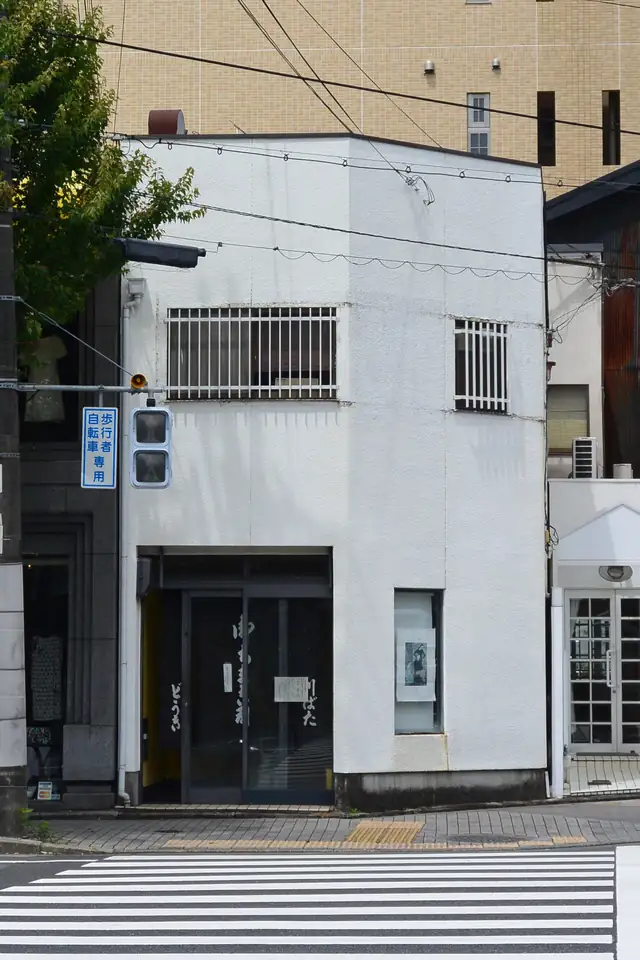 Est. 1503Kawabata DokiSuisen chimakiSee this shop →
 Est. c. 1569OsekimochiOseki mochi (plain and mugwort rice cakes topped with coarse bean paste)See this shop →
When this shop first opened
1856
170 years since.
- 1853Perry's ships arrive at Uraga
- 1856Founded
- 1868The Meiji era begins
- 2026Today
Each event on the timeline is checked against a source.
See sources
1853: 外務省「六月三日ヨリ十二日迄異国船進退之図」解説; 1868: 国立公文書館「公文書にみる日本のあゆみ」年表