Home / Origins / Kuzumochi of Kameido

Origins

Kuzumochi of Kameido

What is Kuzumochi of Kameido?

Kanto-style kuzumochi (chewy cakes of fermented wheat starch) is steamed and eaten with black sugar syrup and roasted soybean flour. Funabashiya ferments the starch in large cedar vats for 450 days. No kudzu starch is used.[3][2]

Where it is said to have begun

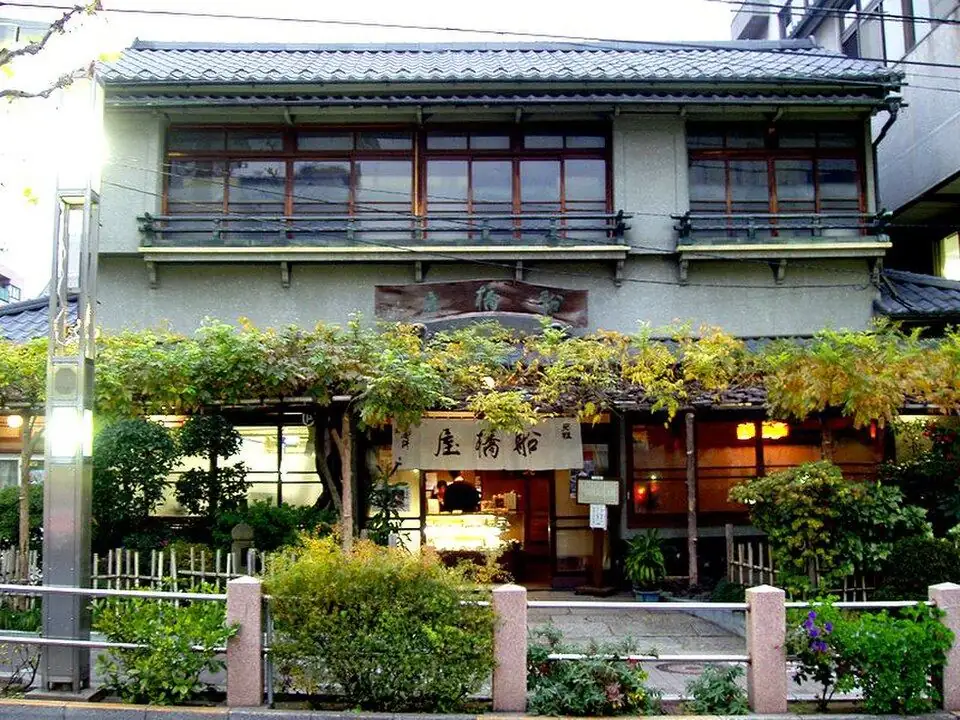
Funabashiya (main shop) · Tokyo · Est. 1805 · Dates from 1805

The founder, Kansuke, was born in Funabashi in Shimosa Province, then known for good wheat. Wanting to offer something special to visitors to Kameido Tenjin Shrine, he refined the kuzumochi he had watched being made as a child. He opened the shop in 1805, serving steamed cakes of kneaded wheat starch with black syrup and soybean flour. They became popular, and an early Meiji broadsheet ranked the shop at the top of Edo's sweet shops.[6][7][3][1]

Other accounts

“Original” is the shop's own claim. The kuzu in the name is said to come not from kudzu starch but from the old Minami-Katsushika district, and the word is written in kana or as 久寿餅 to set it apart from cakes made with kudzu starch.[1][3]

At the shop today

The main shop in front of Kameido Tenjin sells its original kuzumochi to take home and also serves it in the café, including a bean version available only there. It keeps for just two days.[5][3]

Sources (7)
  1. ドラぷら(NEXCO東日本)「元祖くず餅 船橋屋」
  2. Precious.jp「船橋屋」
  3. 旅go(たびまが)「船橋屋 亀戸天神前本店」
  4. さんたつ「船橋屋」
  5. さんたつ スポット「船橋屋 亀戸天神前本店」
  6. Precious.jp「船橋屋 くず餅の誕生秘話」
  7. FASHIONSNAP「船橋屋 BE:SIDE」

Visit the shop

Funabashiya (main shop) photo

Funabashiya (main shop)

Known for
Kuzumochi with black syrup and soybean flour
Where
Tokyo · Kameido, Koto-ku
At the shop
Eat in, Take out
See Funabashiya (main shop) →

More origins

Aburi-mochiIchimonjiya Wasuke (Ichiwa)Bean-paste manjuShiose SohonkeShirozake for the Doll FestivalToshimaya HontenFukujinzuke relishShuetsuGyokuro teaYamamotoyama Fujie SaboSilken tofu in EdoSasanoyukiSasamaki kenuki-zushiSasamaki Kenuki Sushi SohontenImoboImobo Hiranoya HontenKanto-style sakuramochiChomeiji Sakuramochi YamamotoyaChushichi-meshiKappo Ryokan FutabaOyakodonTamahideSaba sugata-zushiIzuuGyoja-mochiKashiwaya MitsusadaAmanattoEitaro Sohonpo NihonbashiSeasoned noriYamamoto Noriten NihonbashiBoxed bentoNihonbashi Benmatsu SohontenAwa-zenzaiUmezono AsakusaNishin sobaSohonke Nishin Soba MatsubaTsukudani simmered in soy sauceFunasaSenmaizukeSenmaizuke Honke DaitoGyunabeOhta NawanorenAnpanGinza KimurayaJam bunGinza KimurayaTen-zaruMuromachi Sunaba NihonbashiThe name “toro”Yoshino Sushi HontenDenki BranKamiya BarGoshiki-mameMamemasa“Viking”Imperial Hotel Tokyo (restaurants)Hato SableToshimayaFruit punchGinza Sembikiya (Ginza main shop)Pork cutletRengateiEbi fryRengateiShredded cabbage on the sideRengateiOmuriceRengateiCream bunShinjuku NakamurayaChinese steamed bunsShinjuku NakamurayaPure Indian-style curryShinjuku NakamurayaCream sodaShiseido Parlour GinzaSweet-potato yokanFunawaMitsumameFunawaHiyashi chukaYosuko SaikanShiumaiKiyokenTaiyakiNaniwaya SohontenOgura iceMitsubachiHire-katsuHoraiyaSanma-menGyokusenteiTea dangoSohonke OchamanMitarashi dangoKamo Mitarashi ChayaCone-shaped hand-rolled sushiTsukiji TamazushiFukagawa-meshiKappo MiyakoFried chicken (karaage) on a restaurant menuMikasa Kaikan

All origins →

Share this page
WhatsAppPinterestX