
Kashiwaya Mitsusada
In Japanese: 柏屋光貞
Est. 1806
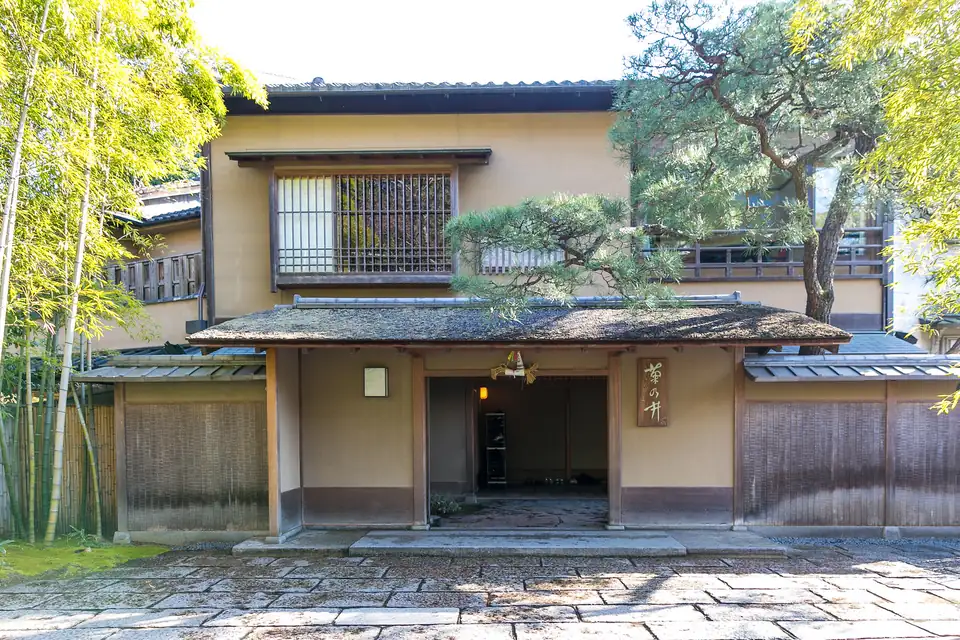
Kashiwaya Mitsusada is a wagashi (traditional Japanese sweets) shop in Higashiyama Yasui, south of Yasaka Shrine in Kyoto, open since 1806. Tradition says an ancestor training as a mountain ascetic made a sweet after a dream during an epidemic and offered it to the En no Gyoja float of the Gion Festival. That sweet, gyoja-mochi, is sold only on July 16; the rest of the year the shop makes dry sweets for sencha tea.
- What to try
- Gyoja-mochihoragai-mochi and Otowayama
- Address
- 33-2 Bishamon-cho, Higashiyama-ku, Kyoto
- Getting there
- About a 5-minute walk from Gion-Shijo Station (Keihan Line)
- At the shop
- Take out
- Founded
- 1806
- Era
- Edo period
- Food
- Wagashi
Dishes said to begin here
- Gyoja-mochi
Kashiwaya Mitsusada, a Kyoto confectioner, dates from 1806.
More about Gyoja-mochi →
About Kashiwaya Mitsusada
According to the story handed down at the shop, an epidemic swept Kyoto in 1806. An ancestor of the family was then training as a mountain ascetic on Mount Omine in Nara and received a message in a dream. Back in Kyoto, he made the sweet from the dream, offered it to the En no Gyoja float of the Gion Festival and gave it to people he knew, and they escaped the disease. Since then it has been called gyoja-mochi and sold once a year, on the eve of the procession.14
Gyoja-mochi is a thin crepe of baked wheat dough wrapped around miso bean paste flavored with sansho pepper and a small piece of mochi (rice cake). Its shape is said to copy an ascetic’s robe. In late June, Shogoin Temple purifies the workroom, and then the miso paste is made. White bean paste is mixed with white miso and rested for two to three weeks until the taste mellows. The crepes are baked and filled in one day, on July 15, with help from other confectioners.46
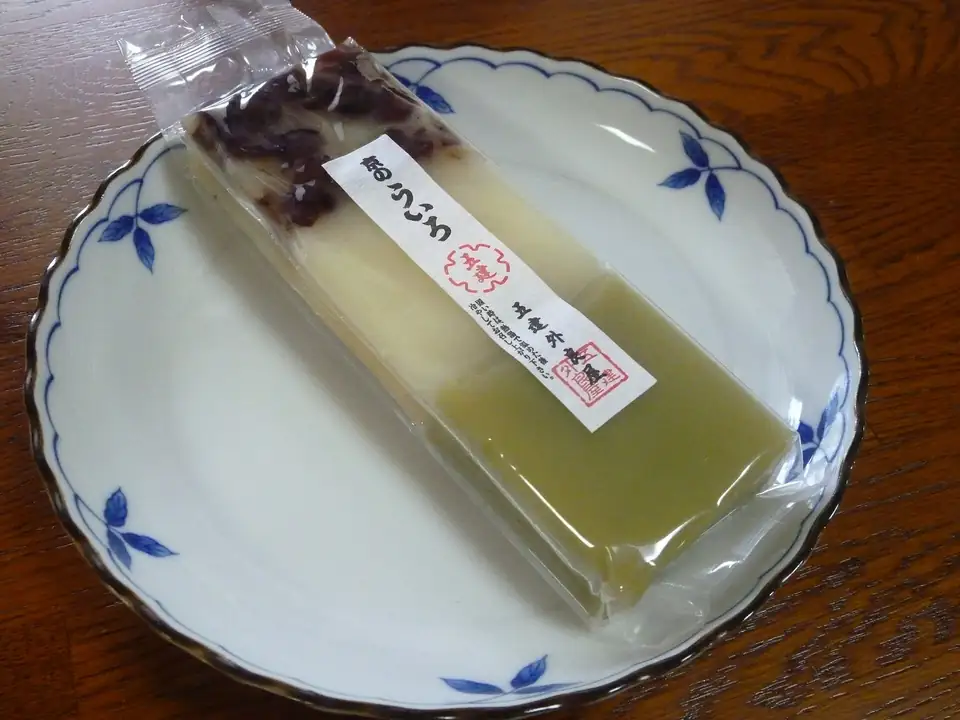
The rest of the year, the family runs the shop and mostly makes dry sweets. Because it has long served Obaku Manpukuji Temple, it specializes in dry sweets to go with sencha tea. Its standard sweets include Otowayama, a pressed sweet of lightly roasted soybean flour around smooth bean paste, and Soramame, made of suhama soybean dough. On Setsubun in February, it sells horagai-mochi, a good-luck sweet, for that one day only.1245
The shop is on Higashioji-dori north of Matsubara, less than a 10-minute walk south of Yasaka Shrine. On July 16, a line forms in front of the shop from early morning. The shop has no website.14
History
- 1806
Gyoja-mochi is said to be made and offered to the En no Gyoja float during an epidemic.
- 2022
For the first time apart from the war years, gyoja-mochi is not sold, as the family falls ill.
- 2023
Gyoja-mochi goes on sale again.
At the shop
Compiled by our editors from public sources. We warmly welcome corrections from the shop.
Walks including this shop
Nearby


Same food
 Est. c. 1349Shiose SohonkeShiose manju (steamed buns with yam and rice-flour dough)See this shop →
 Est. c. 1421Kameya MutsuMatsukaze (baked miso cake)See this shop →
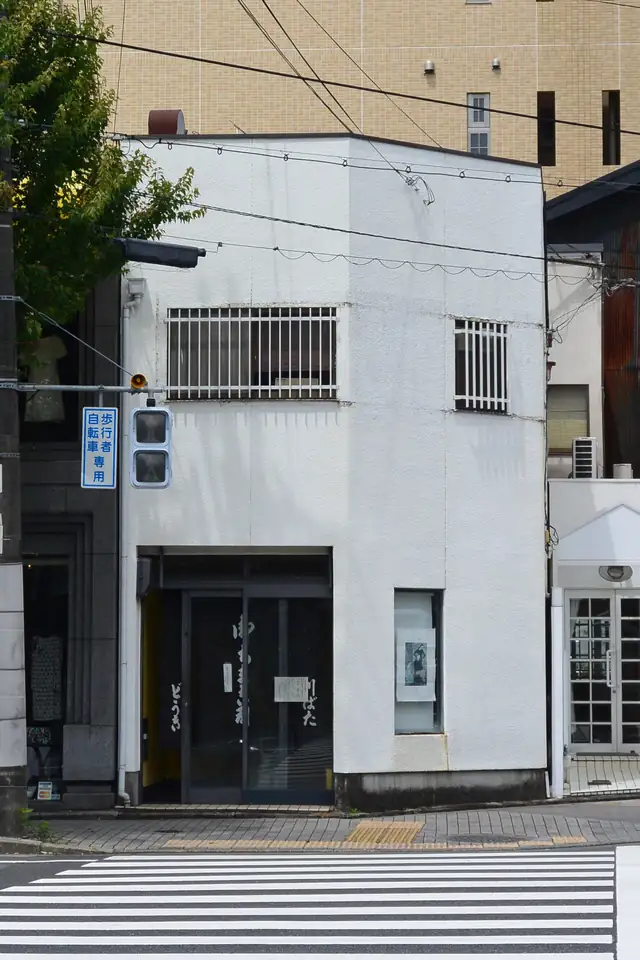 Est. 1503Kawabata DokiSuisen chimakiSee this shop →
 Est. c. 1569OsekimochiOseki mochi (plain and mugwort rice cakes topped with coarse bean paste)See this shop →
When this shop first opened
1806
220 years since.
- 1802The first volume of Tokaidochu Hizakurige appears
- 1806Founded
- 1853Perry's ships arrive at Uraga
- 2026Today
Each event on the timeline is checked against a source.
See sources
1802: 静岡県立中央図書館「温故知新」十返舎一九と『膝栗毛』; 1853: 外務省「六月三日ヨリ十二日迄異国船進退之図」解説