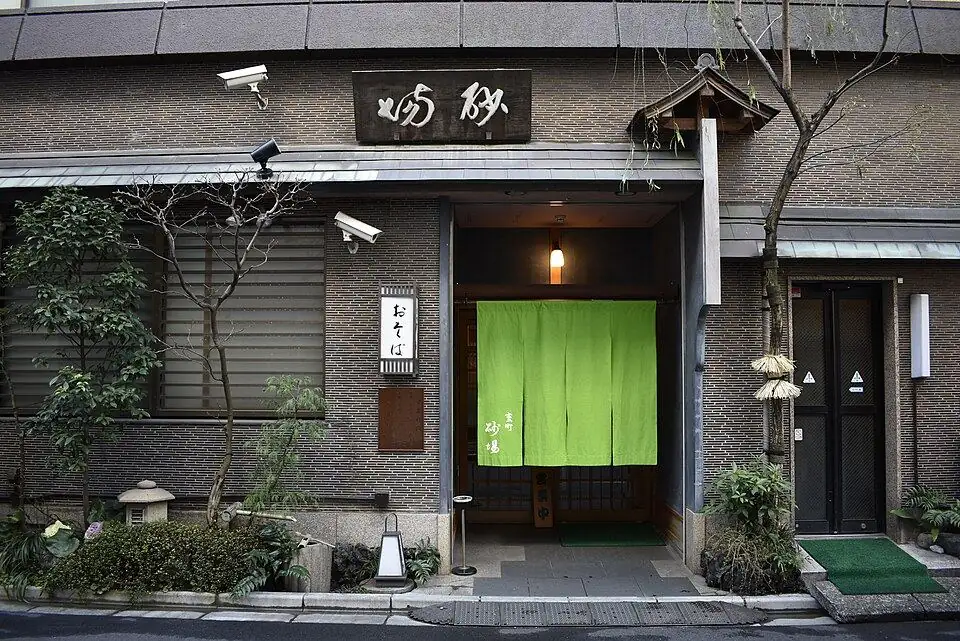
Muromachi Sunaba Nihonbashi (main shop)
In Japanese: 室町砂場 日本橋本店
Est. 1869
Muromachi Sunaba is a soba (buckwheat noodle) restaurant in Nihonbashi Muromachi, Tokyo, open since 1869. It is credited with creating ten-zaru and ten-mori: cold soba dipped in a warm broth with kakiage (mixed tempura fritter). Its zaru soba is made from the white heart of the buckwheat bound with egg. It first opened under the name Kokucho Sunaba.
- What to try
- Ten-zaru and ten-mori
- Address
- 4-1-13 Nihonbashi Muromachi, Chuo-ku, Tokyo
- Getting there
- About a 3-minute walk from Kanda Station (JR), Shin-Nihombashi Station (JR) or Mitsukoshimae Station (Tokyo Metro)
- At the shop
- Eat in
- Founded
- 1869
- Era
- Meiji era
- Food
- Soba
Dishes said to begin here
- Ten-zaru
Muromachi Sunaba is said to have started at the end of the Edo period and moved to Nihonbashi in 1869.
More about Ten-zaru →
About Muromachi Sunaba Nihonbashi (main shop)
The restaurant opened in 1869 under the name Kokucho Sunaba. When the district was renamed after World War II, it became Muromachi Sunaba. Besides this main shop in Nihonbashi, it has a branch in Akasaka.124
To let people enjoy tempura soba even in hot weather, the shop served cold soba with a warm dipping broth that holds kakiage. This is said to be the start of ten-zaru and ten-mori. The kakiage is made with shrimp and small scallops.123
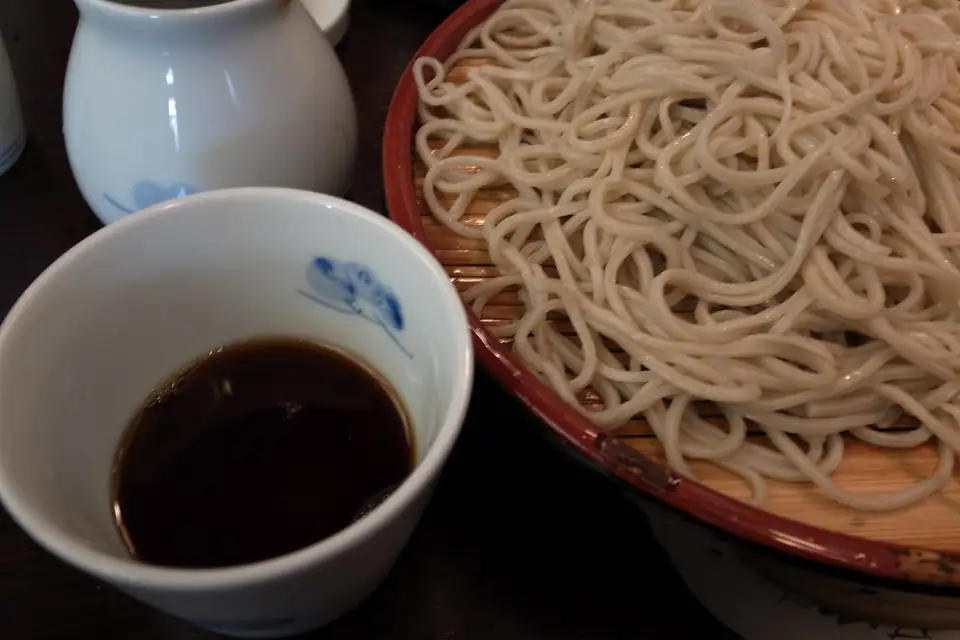
Zaru soba is made from sarashina flour, ground from only the heart of the buckwheat seed, and bound with egg, so it is pale. Mori soba uses whole-grain buckwheat flour mixed eight to two with wheat flour, and is darker. The menu also has hot soba and udon (thick wheat noodles), side dishes such as rolled omelet, grilled chicken and kamaboko (steamed fish cake), sweet red bean soup and soba zenzai. Seasonal soba changes through the year.123
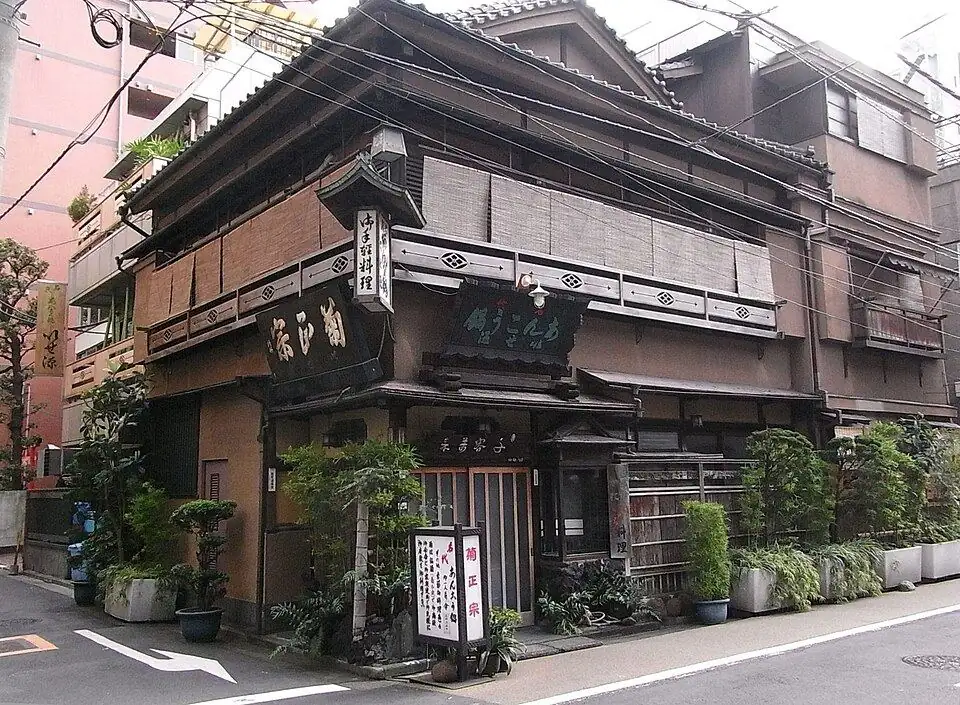
Behind the noren (the cloth curtain at the entrance), the dining room has about 100 seats at tables, on a raised tatami area and in tatami rooms. A large window at the back looks onto a small garden. Upstairs there are private rooms with sunken kotatsu tables. Lines form at peak times. It is about a 3-minute walk from Kanda Station (JR), Shin-Nihombashi Station (JR) or Mitsukoshimae Station (Tokyo Metro).125
History
- 1869
Opens as Kokucho Sunaba.
At the shop
Photos2 photos
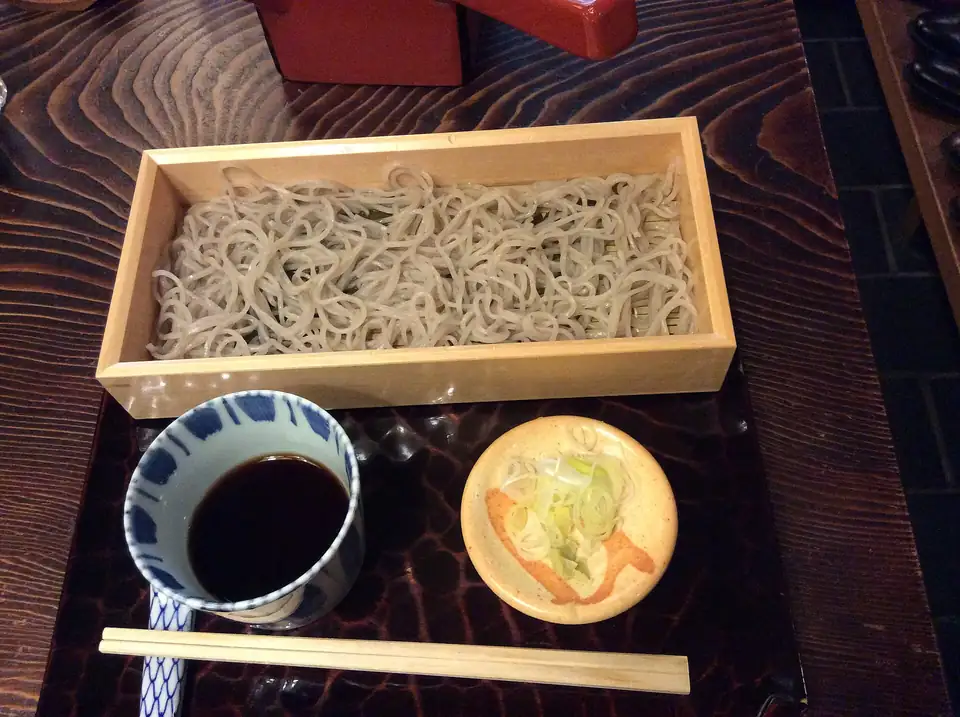
Seiro soba (chilled buckwheat noodles)Photo: 江戸村のとくぞう · CC BY-SA 4.0 · Wikimedia Commons
Compiled by our editors from public sources. We warmly welcome corrections from the shop.
Walks including this shop
Nearby
Same food


When this shop first opened
1869
157 years since.
- 1853Perry's ships arrive at Uraga
- 1869Founded
- 1872Japan's first railway opens
- 2026Today
Each event on the timeline is checked against a source.
See sources
1853: 外務省「六月三日ヨリ十二日迄異国船進退之図」解説; 1872: 港区「鉄道開業150年 港区と鉄道の夜明け」