Nihonbashi Kanmo
In Japanese: 日本橋 神茂
Est. 1688
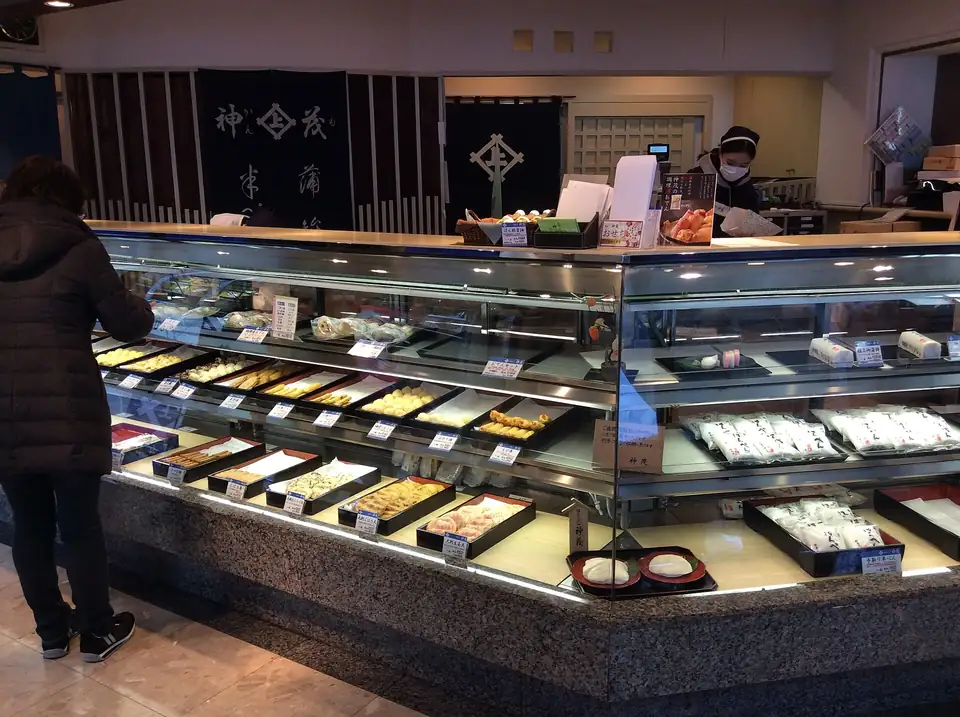
Nihonbashi Kanmo is a hanpen and kamaboko (steamed fish cake) maker in Nihonbashi-Muromachi, Tokyo, open since 1688. It began in the days of the old Nihonbashi fish market and still trades on the same spot. Its signature product is hand-shaped hanpen, made from the choicest shark meat ground in a stone mortar and shaped by craftsmen with a wooden mold and spatula.
- What to try
- Hand-shaped hanpensuji fish cake, kamaboko
- Address
- 1-11-8 Nihonbashi-Muromachi, Chuo-ku, Tokyo
- Getting there
- 3-minute walk from Mitsukoshimae Station (Tokyo Metro Ginza Line)
- At the shop
- Take out
- Founded
- 1688
- Era
- Edo period
- Food
- Pickles & tofu
About Nihonbashi Kanmo
According to the shop's own timeline, its founder, Kanzakiya Chojiro, came to Edo from the Kanzaki River area of Osaka and worked in fishing. The fifth generation began making hanpen from sharks traded at the Nihonbashi fish market, using kamaboko techniques. In the Meiji era the shop took the name Kanmo and supplied the Imperial Household Ministry. The current head is the 18th generation.15
Today's Nihonbashi-Muromachi was then called Odawaracho and was part of the fish market district. The market burned in the 1923 Great Kanto Earthquake and moved to Tsukiji, but Kanmo has kept trading on this spot for over 300 years. Wartime controls forced it to stop for a time, and it reopened after the war.145
The hanpen is made from shortfin mako and blue shark, bought directly from ports such as Kesennuma and prepared at the Nihonbashi shop. Only the prime first-cut meat is used. Salt, yam and egg white are added, the mixture is ground in a stone mortar for about 45 minutes and strained twice for a fine texture. Craftsmen pile it into a wooden mold with a flat wooden spatula, turning and tapping the mold to puff it up, then boil it.46
The second and third cuts go into suji, a fish cake used in oden (a hot pot of simmered fish cakes, eggs and vegetables). Satsuma-age fried fish cakes were added after the 1923 earthquake. Kamaboko is made from fish such as croaker, sea bream and cod. The main shop is a 3-minute walk from Mitsukoshimae Station (Tokyo Metro Ginza Line).146
History
- 1688
Founded at the Nihonbashi fish market.
- 1991
The Kanmo building is completed.
At the shop
Compiled by our editors from public sources. We warmly welcome corrections from the shop.
Nearby
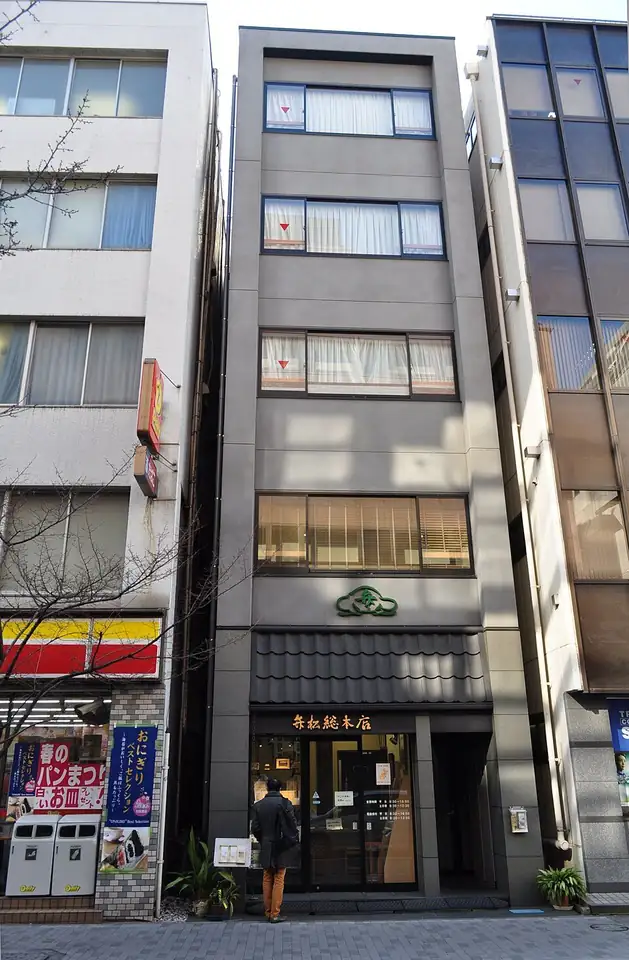 Est. 1850Nihonbashi Benmatsu SohontenBoxed bento such as Nami-rokuSee this shop →
 Est. 1849Yamamoto Noriten Nihonbashi (main shop)Toasted noriSee this shop →
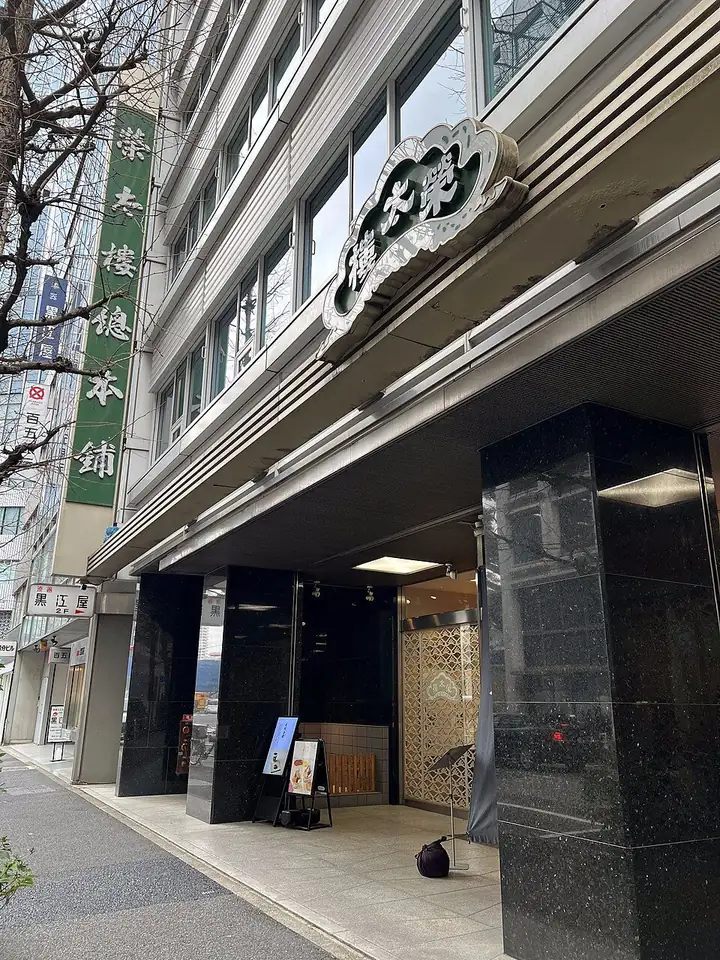 Est. 1818Eitaro Sohonpo Nihonbashi (main shop)Umeboshi-ame candySee this shop →
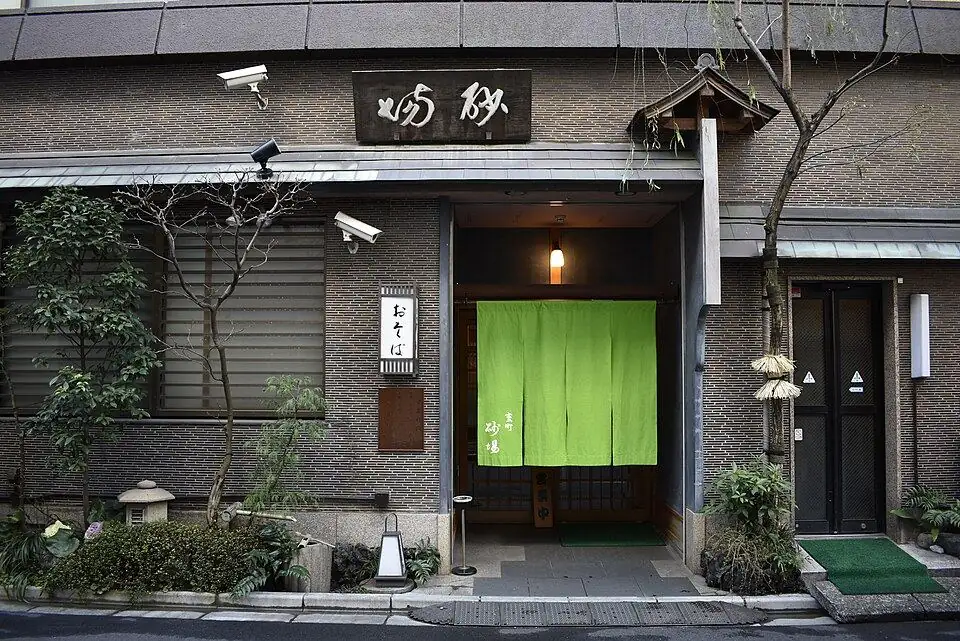 Est. 1869Muromachi Sunaba Nihonbashi (main shop)Ten-zaru and ten-moriSee this shop →
Same food


When this shop first opened
1688
338 years since.
- 1603The Edo shogunate begins
- 1688Founded
- 1774Kaitai Shinsho is published
- 2026Today
Each event on the timeline is checked against a source.
See sources
1603: 東京都都市整備局『東京の都市づくり通史』序章; 1774: 山口県文書館 解説資料「蘭学(解体新書)」