Story · 2026-11-21 · About 5 min read
Dozeu: loach restaurants of old Tokyo in Asakusa, Azumabashi and Kanda
Loach restaurants in Asakusa write the word as dozeu, a spelling said to date from a great fire in Edo. This story visits five places over 100 years old tied to loach in Asakusa, Azumabashi and Kanda.

Why “dozeu”?
Loach (dojo), a small freshwater fish, was a popular dish among the common people of Edo, as Tokyo was then called. In Asakusa, a loach restaurant serving visitors to Senso-ji Temple has been open since the later Edo period (1603–1868).[2,3]
Signs at these restaurants often read dozeu rather than the standard dojo. According to Komagata Dozeu, the word was once written with four kana characters. After a great fire burned the shop in 1806, its founder thought four was unlucky and had a sign painter write it with three: dozeu. The sign drew attention, and by the end of the Edo period other shops had begun writing it the same way.[1]
At the shops in this story, loach comes in many forms: in hot pots, in miso soup, simmered whole, finished with egg as Yanagawa, or grilled on skewers as kurikara-yaki.[2,5,7,9]
This story visits five listed shops tied to loach: in Asakusa, in Azumabashi across the Sumida River, and in Kanda.
Asakusa: Komagata Dozeu
Komagata Dozeu was opened in 1801 by Echigoya Sukeshichi in Komagata, Asakusa. Born in Musashi Province, he is said to have come to Edo at 18 and worked for others before opening his own eatery. He served loach, then a popular local dish, to people visiting Senso-ji Temple.[1,3]
The shop burned down in both the 1923 earthquake and the air raids of World War II, and was rebuilt each time; the shop credits the support of its guests and the efforts of earlier owners. The present building follows the style of an Edo merchant house. The shop explains that the second floor facing the street has no windows so that no one would look down on a passing lord’s procession. Inside the curtain is a large shared floor where guests sit side by side. The shop says it has carried the flavors and hospitality of Edo for more than 200 years.[1,2]
Its signature dishes are dozeu nabe, loach simmered in a shallow iron pan, and loach miso soup, both sold by the founder. The shop is in Komagata, on the west side of the Sumida River.[2,3,7]
Nishi-Asakusa: Dozeu Iidaya
Dozeu Iidaya, on Kappabashi-hondori street, was founded in 1902. It is right by Asakusa Station on the Tsukuba Express line, and about a 6-minute walk from Tawaramachi Station (Tokyo Metro Ginza Line). A large brush-written sign reading dozeu hangs at the front, and the word also appears on the small plates and chopstick sleeves.[4,5]
Guests take off their shoes at the entrance and step up onto a large shared tatami room. The shop has a family motto handed down since its founding: “The master’s job is to make the sauce and to mind the shoes.” The shop says it means care for guests begins at their feet.[4,5]
There are three kinds of pot. Dozeu nabe is whole loach simmered in a sweet soy broth. Honenuki nabe uses deboned loach. Yanagawa nabe is finished with beaten egg. The pots come with green onion, sansho pepper and shichimi spice, and burdock root can be added. Soups include loach miso soup, egg soup and tofu soup, and there are private rooms upstairs, as well as rooms in an annex.[4,5]
Azumabashi: Dozeu Hirai
Dozeu Hirai, in Azumabashi on the east side of the Sumida River, was founded in 1903. It is 6 to 7 minutes from Asakusa Station across Azumabashi Bridge, or about a 3-minute walk from Honjo-azumabashi Station (Toei Asakusa Line).[6,7]
The shop uses wild loach from Japan and prepares it after you order. Besides whole loach in a pot, there is nuki nabe, with bones and innards removed and simmered with burdock root, and Yanagawa nabe, finished with egg. The simmering broth is soy-based, and tempura is also served. Inside are tables, a raised tatami area and a counter.[6,7]
The shop is known for kurikara-yaki: split loach threaded on skewers and grilled. The kitchen is open to the dining room, where the owner cooks alone (as of the source).[6,7]
Kanda: Mimasuya, and Isegen, which began with loach
Mimasuya in Kanda-Tsukasamachi is a tavern founded in 1905. Its first building burned in the 1923 earthquake, and the present building went up in 1928.[8,9]
During the wartime air raids, neighbors are said to have fought the fire to save the shop. Scorch marks from that time remain on part of the outer wall from before it was extended. One reason given was that people did not want to lose their place to drink.[8]
Loach comes as dozeu maruni, whole loach simmered with shaved burdock, egg and green onion. Beef-and-tofu stew is another long-standing dish, the menu is said to suit local Kanda tastes, and there are about 15 kinds of sake. It is about a 3-minute walk from Ogawamachi or Awajicho Station.[8,9]
Nearby in Kanda-Sudacho is Isegen, which began as a loach restaurant in 1830. It later served anglerfish, oyster and tuna-and-leek hot pots, and in the Taisho era (1912–1926), under the fourth owner, became an anglerfish hot-pot specialist. Its building, rebuilt after the 1923 earthquake, escaped the wartime fires and is a Tokyo-selected historic building.[10,11]
Walking across the Sumida River
Komagata Dozeu and Hirai face each other from the west and east banks of the Sumida River. From Asakusa Station, it is 6 to 7 minutes across Azumabashi Bridge to Hirai. In Kanda, Mimasuya and Isegen are each about a 3-minute walk from Awajicho Station. From the bridge you can see the Asahi Beer headquarters and Tokyo Skytree.[7,9,11]
Before you go
Some shops close over the New Year holidays. Hirai, for example, listed December 30 to January 3 as closing days (as of the source). Check each shop’s own information for opening days and hours before you go.[7]
When these shops were founded
Where they are
Numbered from the oldest. Positions are approximate.
Shops in this story
- Est. 1801Komagata Dozeu (main shop)Dozeu nabe (loach hot pot)See this shop →
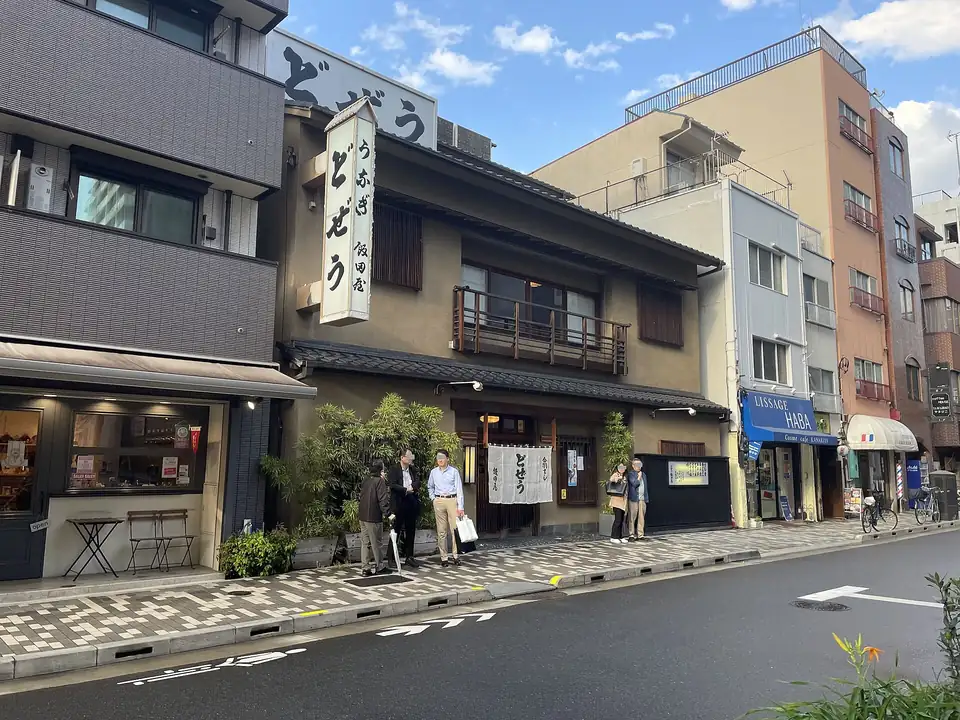 Est. 1902Dozeu IidayaDozeu nabeSee this shop →
- Est. 1903Dozeu Hirainuki-nabeSee this shop →
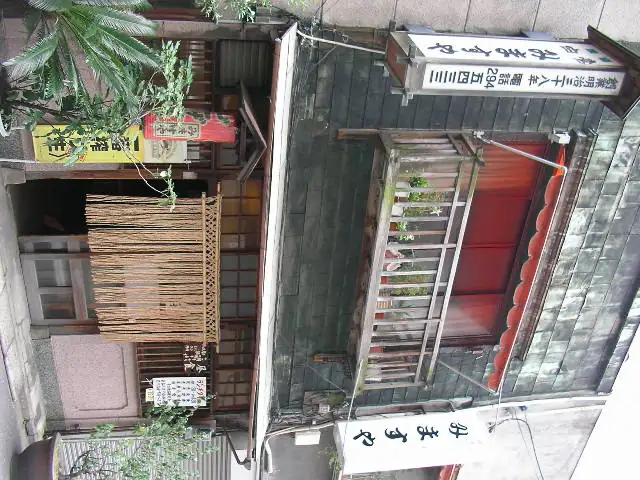 Est. 1905MimasuyaWhole simmered loachSee this shop →
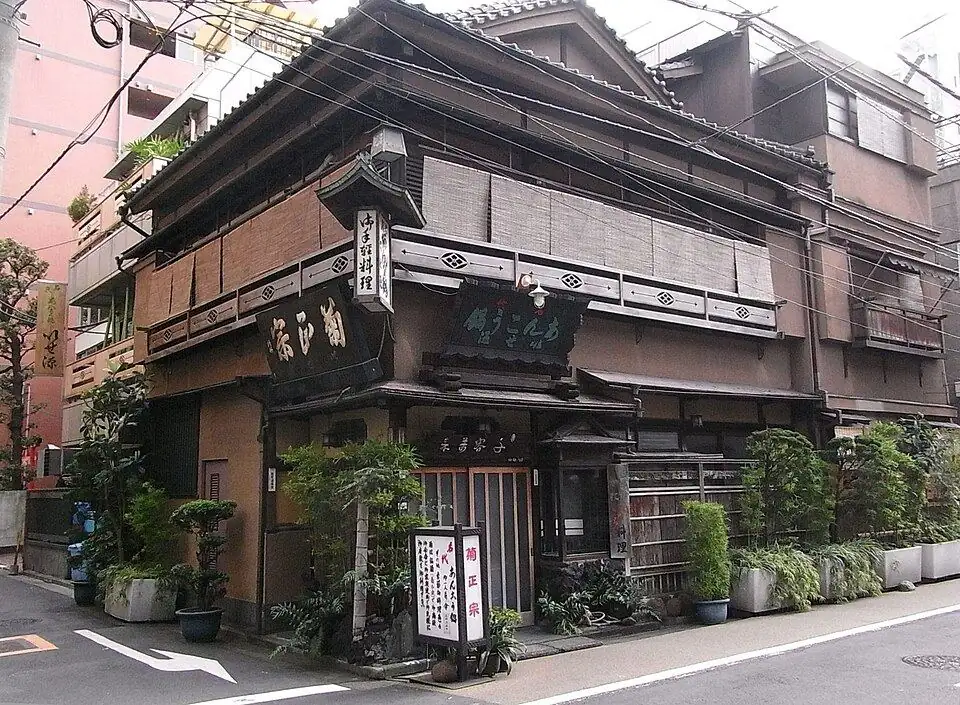 Est. 1830Isegen (main house)Anglerfish hot potSee this shop →
Walks with these shops
- Around Asakusa8 shopsFrom Kaminarimon to the streets behind Senso-ji: tempura, sushi, beef pot and loach within walking distance.See the route
- Jimbocho & Awajicho4 shopsFrom a beer hall and cold noodles in the book district to Awajicho’s Western food, pastries, inari sushi and an old tavern.See the route
- Old Kanda Renjakucho5 shopsA small corner spared by wartime fires, where soba, anglerfish pot and chicken sukiyaki houses stand side by side.See the route
Sources
- 駒形どぜう「駒形どぜうの歴史」(公式)
- 駒形どぜう(公式トップ)
- 東都のれん会「駒形どぜう」
- ホットペッパーグルメ「どぜう飯田屋」(店の紹介文)
- 吉祥寺Go!「どぜう飯田屋」
- テレビ東京「出没!アド街ック天国」2020年9月12日放送(本所吾妻橋)
- J-TRIP Smart Magazine 東京「風情あふれる隅田川沿いで味わう粋な江戸グルメ!」(2015年12月)
- テレビ東京「出没!アド街ック天国」2022年3月19日放送(老舗の神田)
- Forbes JAPAN「みますや」(2022年)
- FRaU(現代ビジネス)「いせ源」
- 千代田区観光協会「いせ源」