
Gion Manju
In Japanese: 祇園饅頭
Est. 1819
Gion Manju is a rice-cake sweet shop on Shijo-dori in Gion, next to the Minamiza Theatre, open since 1819. It is known for shinko, twisted sweets of rice flour in plain, cinnamon and matcha flavors. In spring it also makes kashiwamochi (rice cakes wrapped in oak leaves) with a filling of simmered white miso.
- What to try
- Shinko rice-flour sweetskashiwamochi with white miso filling, chestnut mochi
- Address
- 196 Nakano-cho, Higashiyama-ku, Kyoto
- Getting there
- Just east of Gion-Shijo Station (Keihan Line)
- At the shop
- Take out
- Founded
- 1819
- Era
- Edo period
- Food
- Wagashi
About Gion Manju
Founded in 1819, the shop was first called Rinkakuyudo. Locals called it “the manju shop of Gion,” and that nickname became its name. Just before the end of World War II, its land was taken to widen Shijo-dori. The family bought it back after the war, but the plot was smaller, so the sweets are now made at a workshop near Higashiyama-Sanjo.234
Shinko, the house specialty, is a dough of rice flour, sugar and water. Half is steamed, then the pieces are shaped and steamed again for about an hour to make them springy. It comes in plain, cinnamon and matcha. It was once a summer sweet but is now sold all year at customers’ request. There are several theories about its twisted shape.124
From early April to the end of May, kashiwamochi is made with smooth red bean paste or with white miso paste. The miso filling combines two kinds of white miso with white bean paste and sugar, simmered for about three hours until dark brown. Each one is wrapped by hand in white mochi (rice cake) and an oak leaf, then steamed for about 10 minutes. Seven or eight seasonal sweets are on display, and chestnut steamed yokan and chestnut mochi appear in autumn.14
The shop is next to the Minamiza Theatre, just east of Gion-Shijo Station on the Keihan Line. Sweets are sold to take away, and they are also sold in front of the workshop near Higashiyama-Sanjo.12
History
- 1819
Opens in Gion as Rinkakuyudo.
- 1945
Its land is taken to widen Shijo-dori; bought back after the war, with the workshop moved to Higashiyama.
At the shop
Photos2 photos

Shinko (plain, cinnamon and matcha)Photo: Kykk wiki · CC0 · Wikimedia Commons
Compiled by our editors from public sources. We warmly welcome corrections from the shop.
Nearby
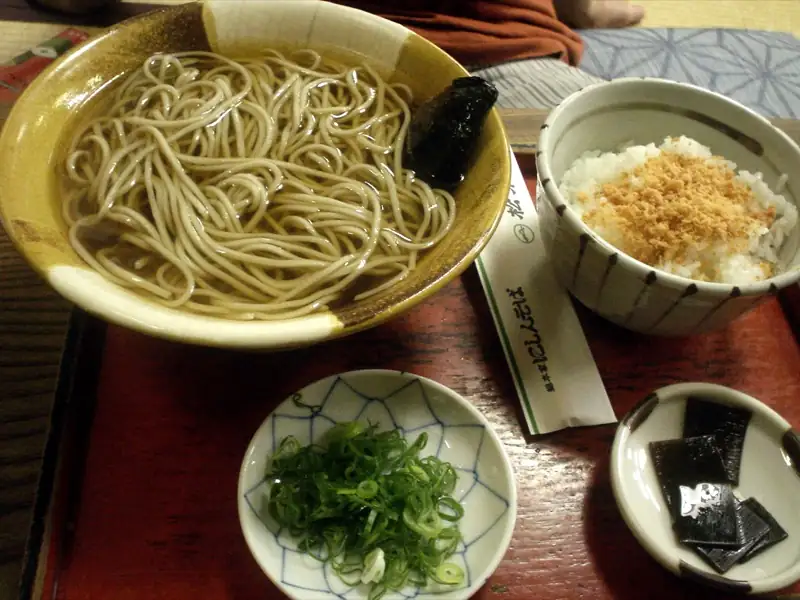 Est. 1861Sohonke Nishin Soba Matsuba (main shop)Nishin soba (herring soba) and simmered herringSee this shop →
 Est. 1805Izutsu Yatsuhashi Honpo Gion (main shop)Izutsu yatsuhashi and the soft yatsuhashi Yuko and YugiriSee this shop →
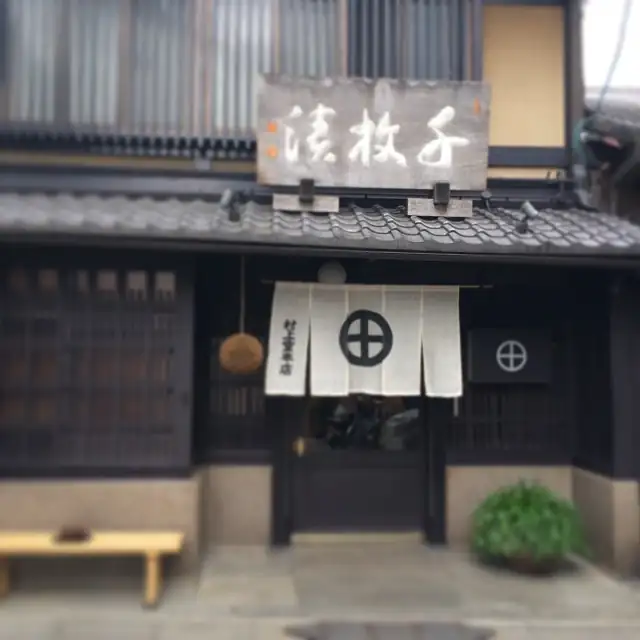 Est. 1832Murakamiju (main shop)Senmaizuke (thin-sliced turnip pickles)See this shop →
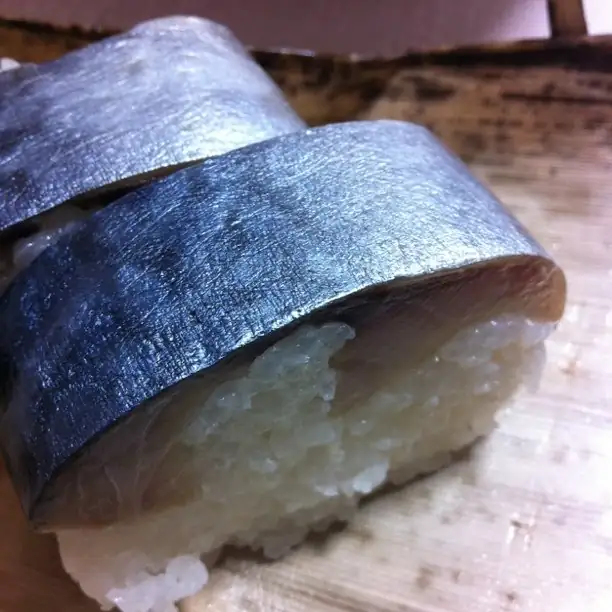 Est. 1781IzuuSaba sugata-zushi (whole mackerel sushi)See this shop →
Same food
 Est. c. 1349Shiose SohonkeShiose manju (steamed buns with yam and rice-flour dough)See this shop →
 Est. c. 1421Kameya MutsuMatsukaze (baked miso cake)See this shop →
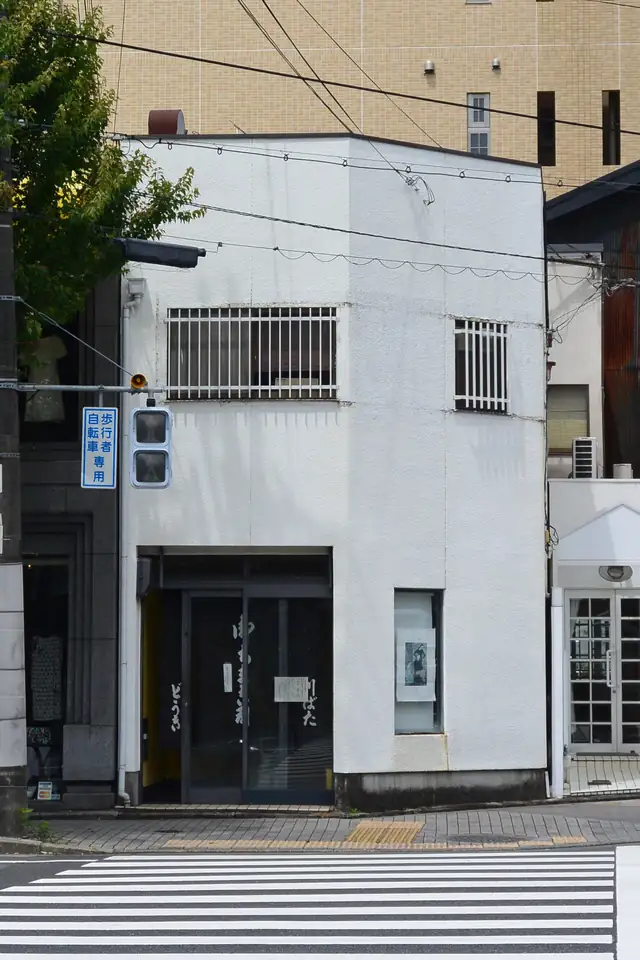 Est. 1503Kawabata DokiSuisen chimakiSee this shop →
 Est. c. 1569OsekimochiOseki mochi (plain and mugwort rice cakes topped with coarse bean paste)See this shop →
When this shop first opened
1819
207 years since.
- 1802The first volume of Tokaidochu Hizakurige appears
- 1819Founded
- 1853Perry's ships arrive at Uraga
- 2026Today
Each event on the timeline is checked against a source.
See sources
1802: 静岡県立中央図書館「温故知新」十返舎一九と『膝栗毛』; 1853: 外務省「六月三日ヨリ十二日迄異国船進退之図」解説